Introduction to Modern Networking

In today's interconnected world, robust networking and infrastructure technologies form the foundation of digital innovation. From lightning-fast 5G connectivity to intelligent cloud systems, these technologies empower businesses, enable global communication, and drive the future of automation across every industry.
The digital ecosystem relies on powerful networking and infrastructure technologies. From high-speed 5G connectivity to intelligent cloud systems, these innovations enable global communication, automation, and intelligent connectivity across every industry.
Industry Insight: The global networking market is projected to reach $1.5 trillion by 2027, with enterprise networks becoming increasingly software-defined and automated.
At Smart Future Point, recognized as the best coding institute in Delhi, we provide comprehensive training in networking technologies that power the modern digital landscape.
5G Technology and Its Applications
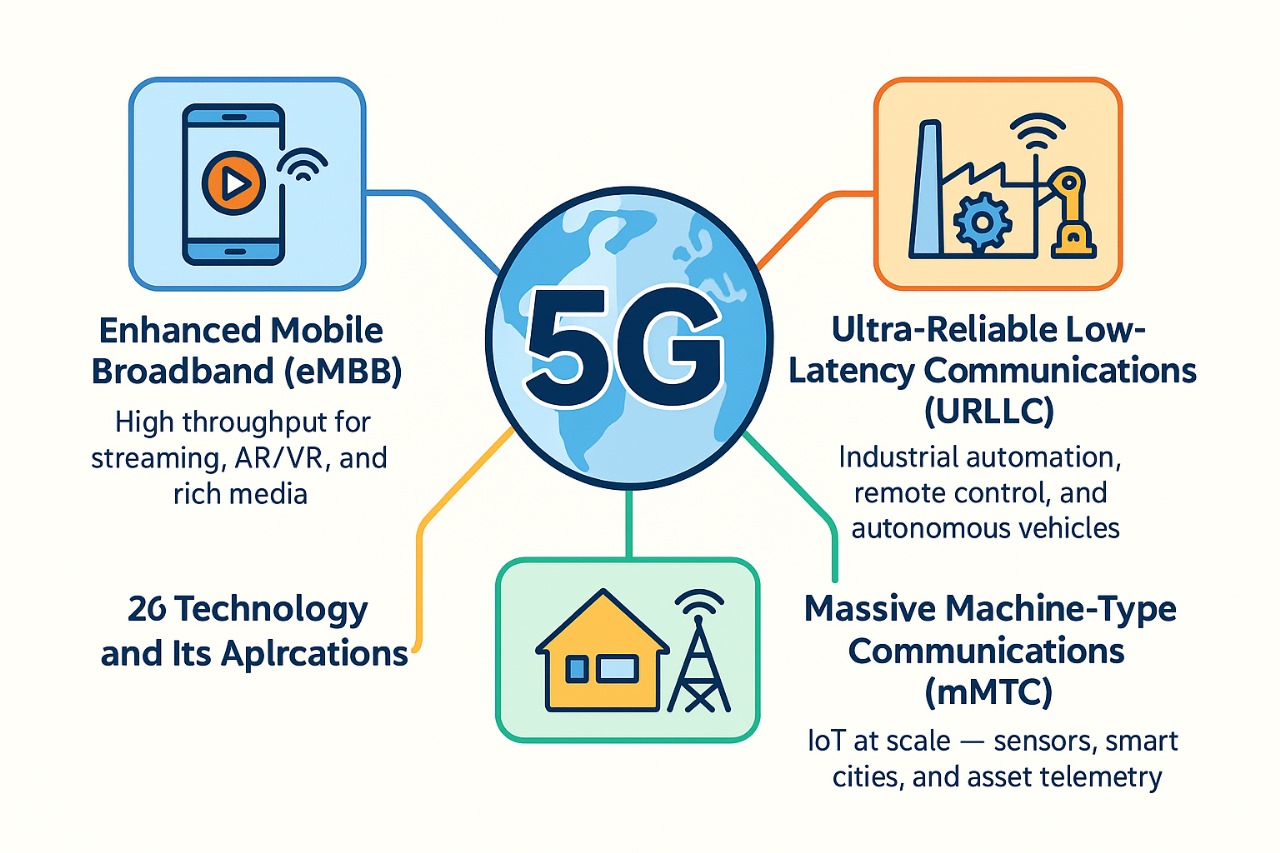
The fifth generation of mobile technology, 5G, offers lightning-fast speeds, ultra-low latency, and massive connectivity. It's enabling innovations like smart cities, connected vehicles, telemedicine, and immersive gaming.
- eMBB (Enhanced Mobile Broadband): High-speed video, AR/VR, and streaming applications
- URLLC (Ultra-Reliable Low Latency Communications): Mission-critical, real-time communication for IoT and automation
- mMTC (Massive Machine Type Communications): Billions of IoT devices working efficiently together
- Edge Computing: Faster insights through local data processing
Software Defined Networking (SDN)

SDN introduces centralized, software-driven control over network hardware. It improves scalability, reduces manual configuration, and enables automation through programmable interfaces.
- Centralized network intelligence via APIs and controllers
- Efficient routing and real-time traffic optimization
- Enhanced flexibility and reduced operational costs
- Dynamic resource allocation and automated management
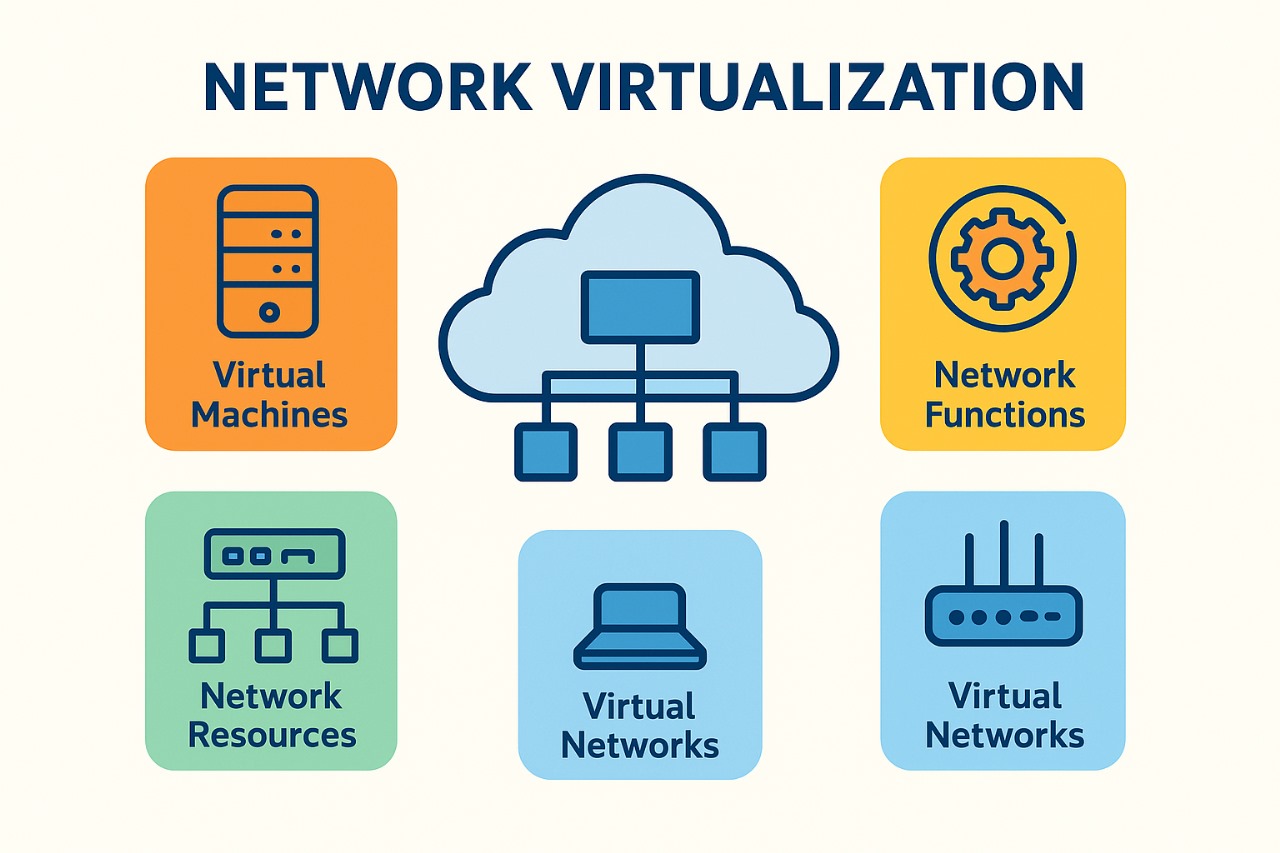
Network Virtualization

Network Virtualization replaces physical network components with virtualized ones. This leads to faster provisioning, cost efficiency, and isolated multi-tenant environments ideal for cloud operations.
- Software-based network functions (VNFs/CNFs)
- Dynamic scaling and rapid deployment of services
- Supports cloud-native and hybrid infrastructures
- Enhanced security through network segmentation
Business Benefit: Organizations implementing network virtualization typically achieve 40-60% reduction in operational costs while improving service agility and deployment speed.
Cloud Infrastructure Optimization
Cloud Optimization ensures cost efficiency and performance by balancing workloads, automating scaling, and integrating intelligent monitoring systems.
- Predictive analytics for resource allocation
- Secure and reliable hybrid cloud architecture
- AI-driven automation and observability tools
- Multi-cloud strategy implementation and management
- Automated disaster recovery and business continuity
Internet Architecture & Protocols
Internet protocols define how data travels securely and efficiently across the globe. From IPv6 to QUIC, these systems ensure performance, reliability, and security for billions of users.
- Layered architecture ensures interoperability and scalability
- Secure communication through TLS, IPsec, and DNSSEC
- Modern performance protocols like QUIC and HTTP/3
- IPv6 adoption for unlimited address space and enhanced security
- BGP routing protocols for global internet connectivity
Career Opportunities in Networking

The networking field offers diverse career paths with excellent growth potential and competitive salaries. As digital transformation accelerates, demand for networking professionals continues to grow.
- Network Administrator: Foundation role with ₹4-8L starting salary
- Network Engineer: Design and implementation with ₹6-12L compensation
- Cloud Network Architect: Senior role with ₹15-30L package
- Network Security Specialist: High-demand role with ₹8-18L earnings
- 5G Network Engineer: Emerging field with ₹10-20L potential
Industry Demand: The networking job market is expected to grow by 15% over the next decade, with cloud networking and security specialists seeing even higher demand growth of 25-30%.
Future Trends in Networking

The networking landscape continues to evolve with emerging technologies that will shape the future of connectivity and digital infrastructure.
- 6G Research: Terahertz frequencies and AI-integrated networks
- Quantum Networking: Unbreakable encryption and quantum internet
- Intent-Based Networking: AI-driven autonomous network management
- Edge AI: Intelligent processing at network edge for real-time analytics
- Network Slicing: Customized virtual networks for different applications
- Zero Trust Architecture: Enhanced security through continuous verification